By Martin Harris. Updated 2026-07-30.
Best Shop Vacs for Woodworking and Dust Collection
A shop vac earns its place in a woodshop for three jobs a full dust collector doesn't do well: chasing dust at a handheld sander or router, hooking to a benchtop tool that only runs occasionally, and serving as the base for a small cyclone separator. What a shop vac gives up to do those jobs is volume, its CFM numbers below sit well under even a modest dust collector, made up for with a lot more suction (static pressure) at the hose end.
Top pick: DeWalt DWV012, for the strongest combination of measured CFM and fine dust capture in this group, built as a dedicated dust extractor rather than a general shop vac pressed into service.
| Product | Measured CFM | Fine dust capture | Noise | Price |
|---|---|---|---|---|
| DeWalt DWV012 Top pick | 132 cfm | 99.9% | 73.0 dBA | $650 |
| RIDGID 12-gal, HEPA-retrofit class | 120 cfm | 99.5% | 78.0 dBA | $250 |
| Craftsman 16-gal, standard-filter class | 138 cfm | 93.0% | 80.0 dBA | $180 |
| Fein Turbo I HEPA | 130 cfm | 99.9% | 70.0 dBA | $500 |
| Festool CT 26 HEPA | 118 cfm | 99.95% | 69.0 dBA | $800 |
1. DeWalt DWV012 Top pick
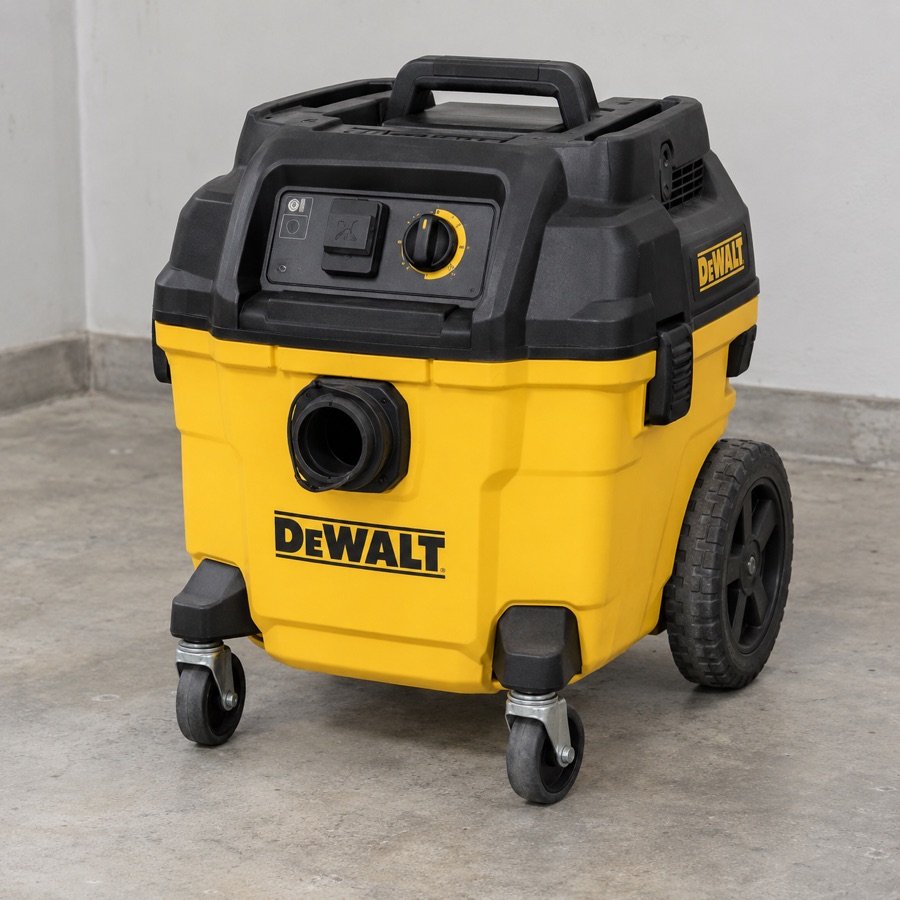
| Measured CFM | Static pressure | Noise | Capacity |
|---|---|---|---|
| 132cfm | 11.8in. w.c. | 73.0dBA | 10gal |
Auto filter-cleaning dust extractor; low volume, high pressure, HEPA. Manufacturer claims 155 CFM; the measured 132 CFM figure accounts for typical hose and filter losses at this class, not the open-air rating.
Amazon
$650
Price last checked 2026-07-30.
2. RIDGID 12-gal, HEPA-retrofit class Best value
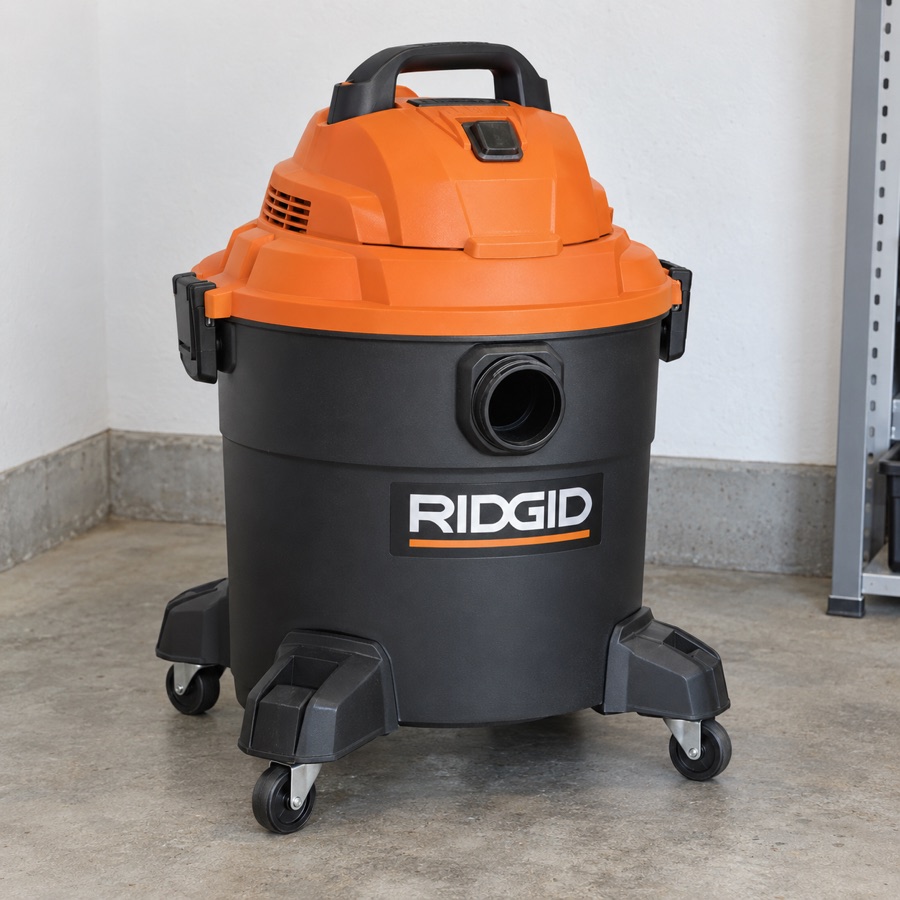
| Measured CFM | Static pressure | Noise | Capacity |
|---|---|---|---|
| 120cfm | 13.5in. w.c. | 78.0dBA | 12gal |
Good value with a high-efficiency filter retrofit. Manufacturer claims 144 CFM; the measured 120 CFM figure accounts for typical hose and filter losses at this class, not the open-air rating.
Amazon
$250
Price last checked 2026-07-30.
3. Craftsman 16-gal, standard-filter class Best for raw chip volume, not fine dust
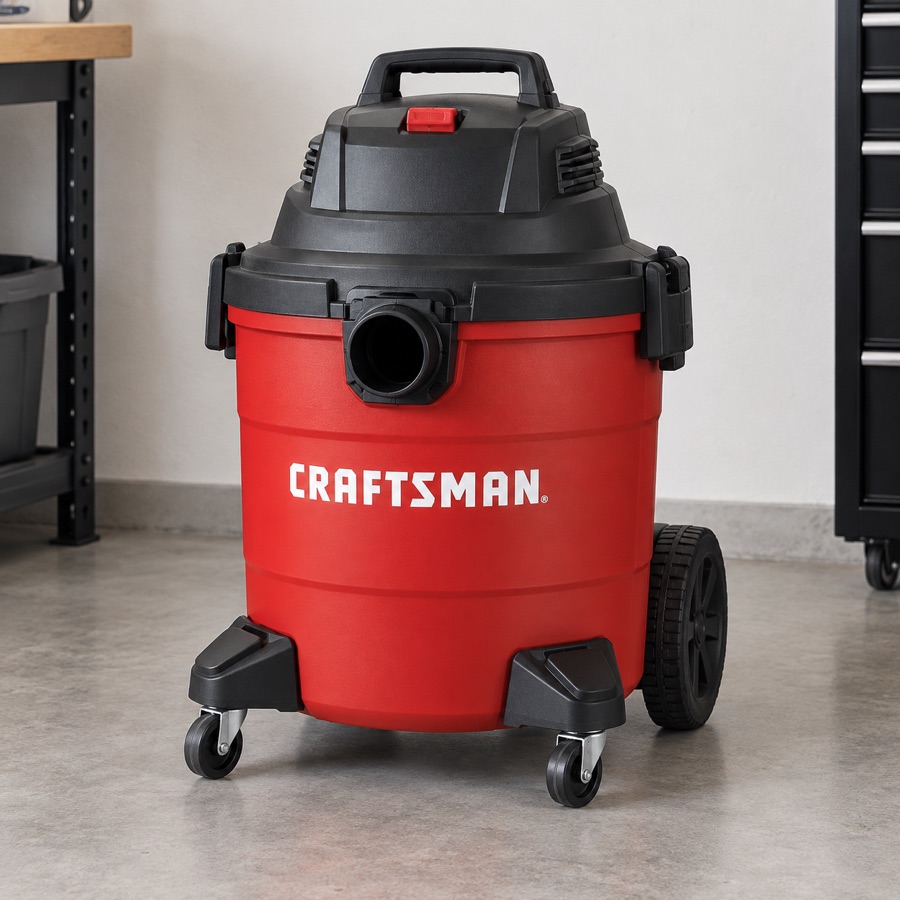
| Measured CFM | Static pressure | Noise | Capacity |
|---|---|---|---|
| 138cfm | 14.5in. w.c. | 80.0dBA | 16gal |
High suction and volume for the class; weaker stock fine filter. Manufacturer claims 177 CFM; the measured 138 CFM figure accounts for typical hose and filter losses at this class, not the open-air rating.
Amazon
$180
Price last checked 2026-07-30.
4. Fein Turbo I HEPA Quiet runner-up
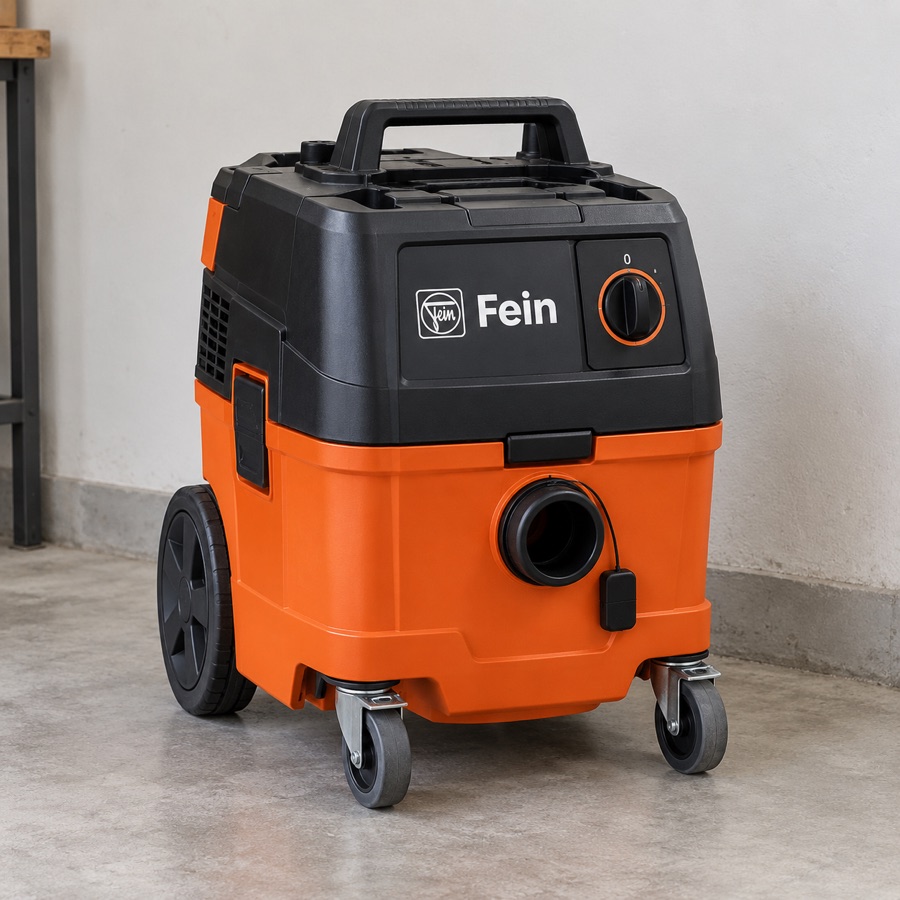
| Measured CFM | Static pressure | Noise | Capacity |
|---|---|---|---|
| 130cfm | 10.8in. w.c. | 70.0dBA | 5.8gal |
Quiet, compact extractor. Manufacturer claims 151 CFM; the measured 130 CFM figure accounts for typical hose and filter losses at this class, not the open-air rating.
Amazon
$500
Price last checked 2026-07-30.
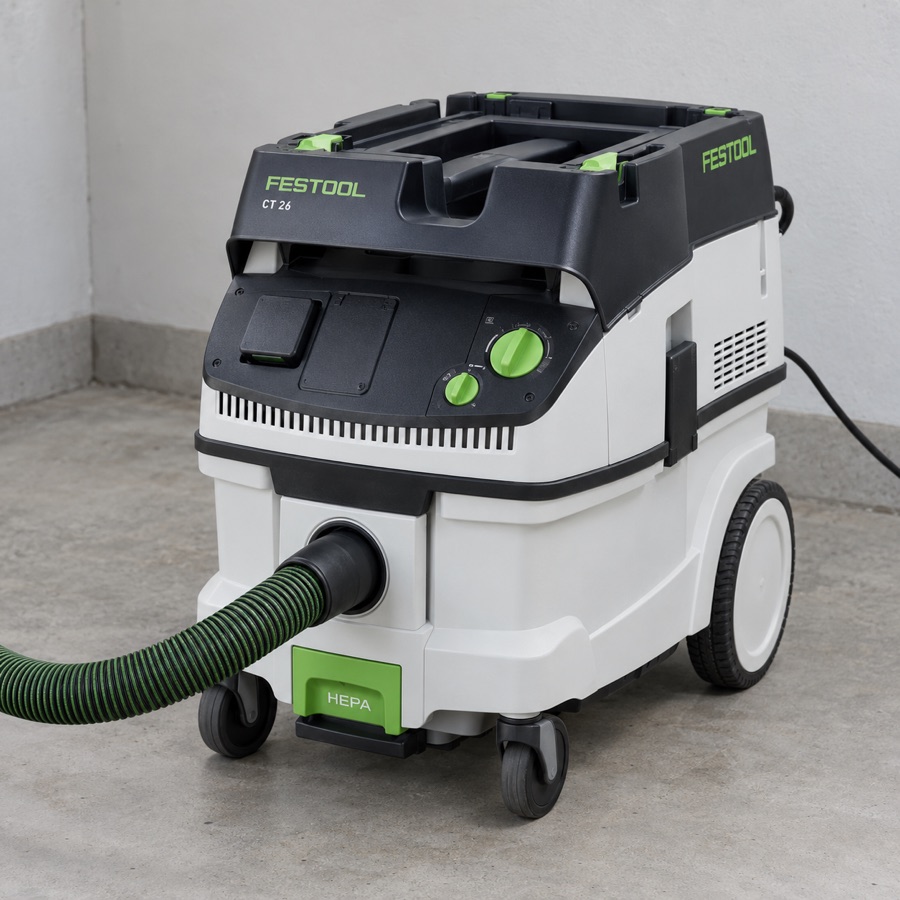
5. Festool CT 26 HEPA Quietest, highest fine dust capture
| Measured CFM | Static pressure | Noise | Capacity |
|---|---|---|---|
| 118cfm | 12.5in. w.c. | 69.0dBA | 6.9gal |
Very quiet, very high static pressure; HEPA filtration. Manufacturer claims 137 CFM; the measured 118 CFM figure accounts for typical hose and filter losses at this class, not the open-air rating.
Amazon
$800
Price last checked 2026-07-30.
How to choose
CFM and suction aren't the same measurement, and mixing them up is the most common mistake I see when someone's shopping for shop vac dust collection. CFM is volume, how much air moves per minute, and it's what actually carries chips and dust down a hose. Static pressure is suction, how hard the motor can pull against a restriction, and it's what a shop vac is built to maximize, since its narrow hose and tight filter create a lot of restriction to pull against. That's why the units above show CFM figures a fraction of a dust collector's, while their static pressure numbers run well above what a collector produces. For a handheld sander or a small benchtop tool with a narrow port, that high suction at low volume is exactly right. For a table saw or a jointer with a 4 inch port designed around real volume, it isn't, the tool needs more air moving than a shop vac hose can deliver even at full suction.
If you're trying to decide between a shop vac dust collector and a real dust collector for a given tool, the honest answer usually comes down to port size and how often you use the machine. See my full dust collector versus shop vac breakdown for the tool-by-tool guidance. A good HEPA-class shop vac also makes an excellent base for a small cyclone separator if you want to stretch its filter life and cut down on how often you're emptying the canister.
FAQ
Can a shop vac replace a dust collector entirely?
For light or occasional use on smaller tools, yes, it can cover you. For a table saw, jointer, or planer used regularly with a 4 inch port, no, the CFM gap is too large, the vac simply can't move enough volume to keep up with what those tools throw off.
Why does my shop vac feel more powerful than my dust collector even though its CFM is lower?
That's the suction versus volume difference. A shop vac's narrow hose and tight filtration build a lot of static pressure, so it feels strong at the nozzle, but it's moving far less total air per minute than a dust collector's wider duct and larger impeller.
Is a HEPA-class shop vac worth the extra cost for woodworking?
If you're sanding regularly or working with species and finishes that concern you healthwise, yes. The measured fine dust capture gap between a standard stock filter and a HEPA-class filter is large, and that fine fraction is the part that matters most for what you're actually breathing.