By Martin Harris. Updated 2026-08-05.
Quietest Dust Collectors
If a quiet dust collector is the whole point of your shopping trip, whether that's a shared wall with neighbors, a shop attached to the house, or just your own ears after a long day, noise is the number that should sort this list, not CFM or price. The four units below are ranked quietest first by dBA.
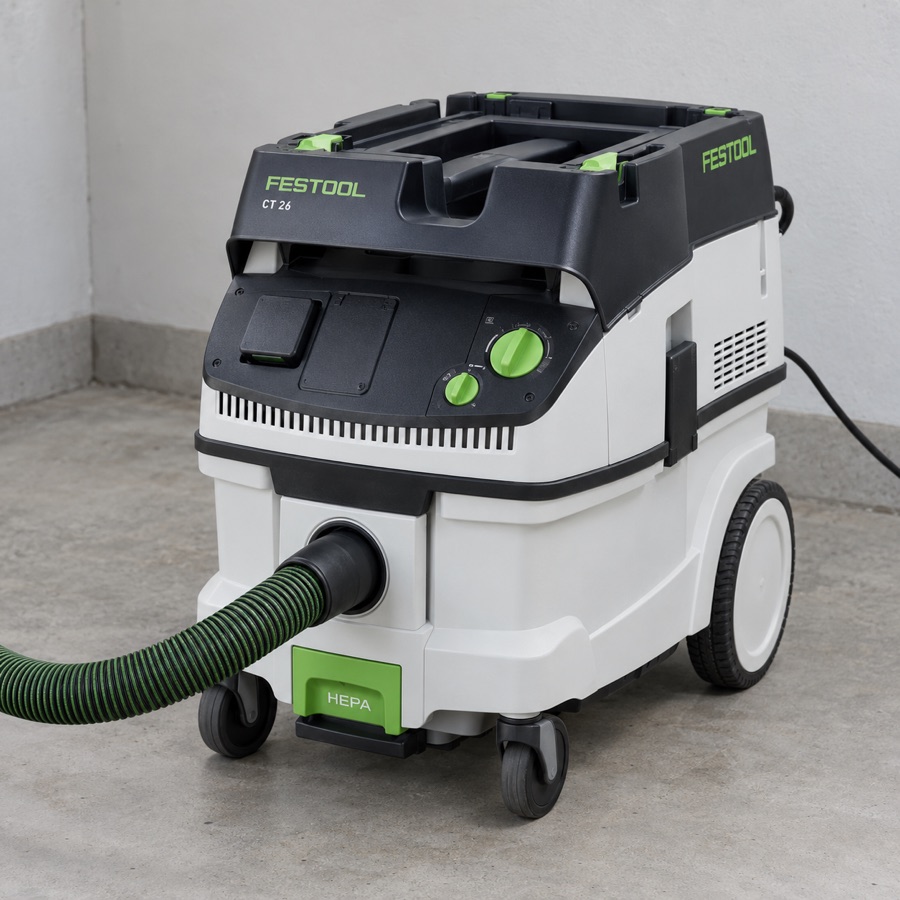
Top pick: Festool CT 26 HEPA, the quietest unit in this set at a measured 69.0 dBA, which is the deciding factor for a quietest dust collector roundup specifically.
| Product | Noise | Measured CFM | Fine dust capture | Price |
|---|---|---|---|---|
| Festool CT 26 HEPA Top pick | 69.0 dBA | 118 cfm | 99.95% | $800 |
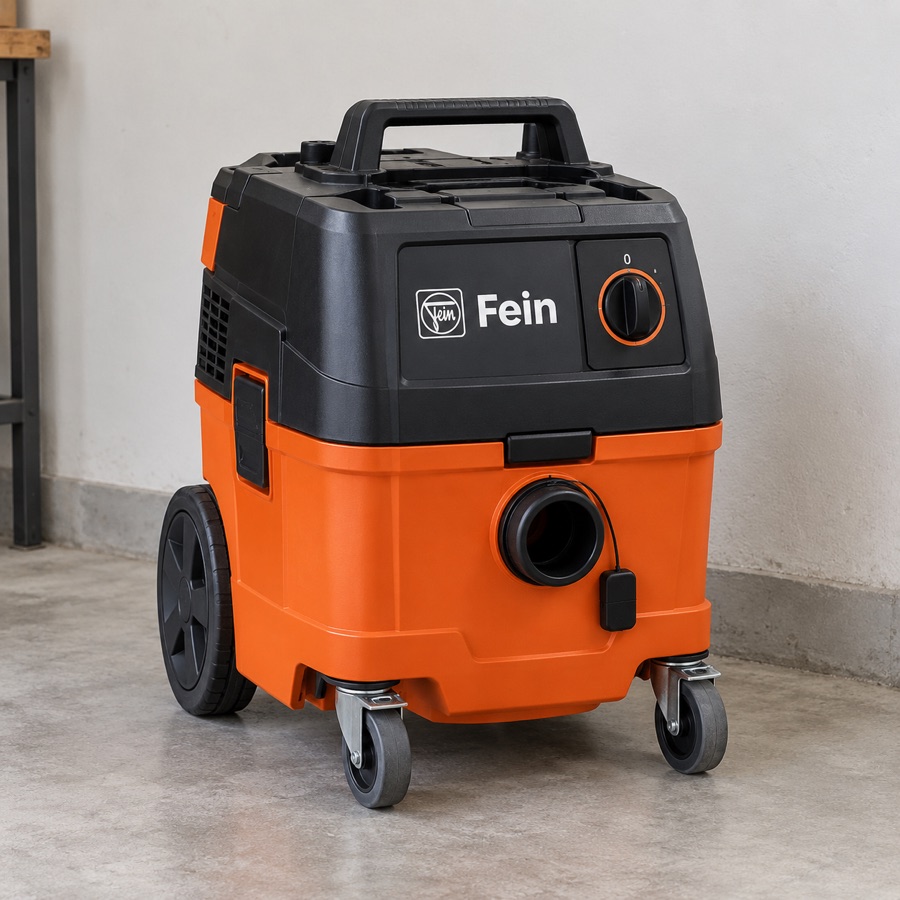
| Fein Turbo I HEPA | 70.0 dBA | 130 cfm | 99.9% | $500 |
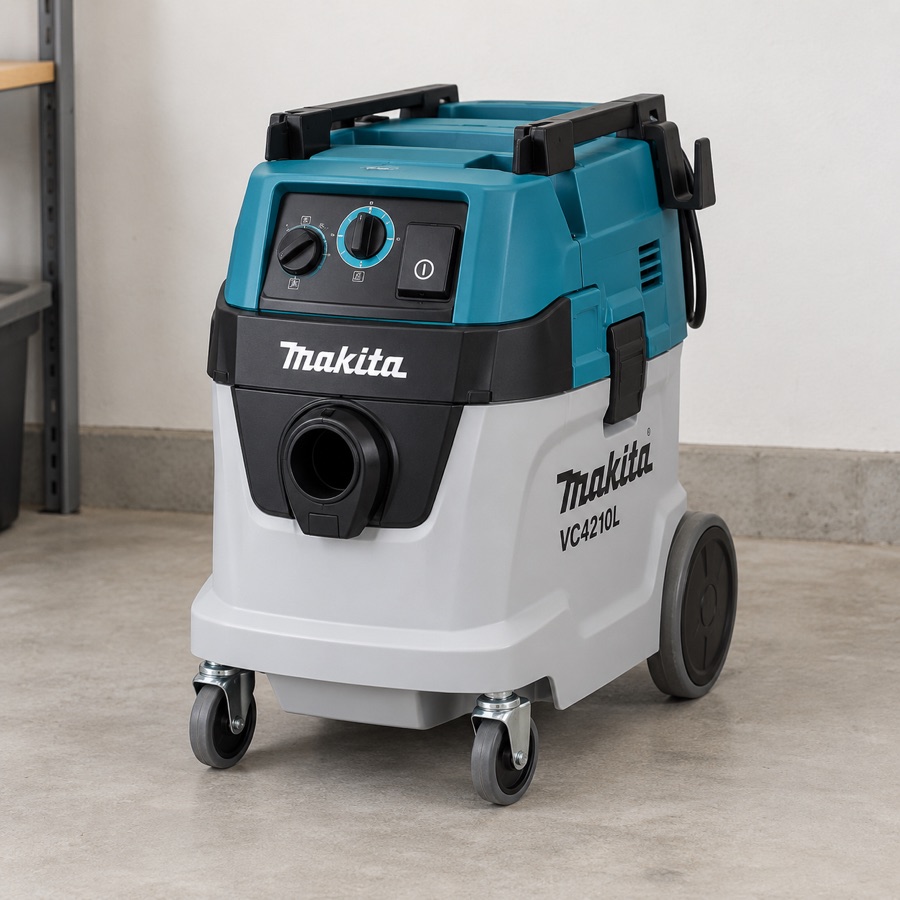
| Makita VC4210L | 71.0 dBA | 125 cfm | 99.9% | $750 |
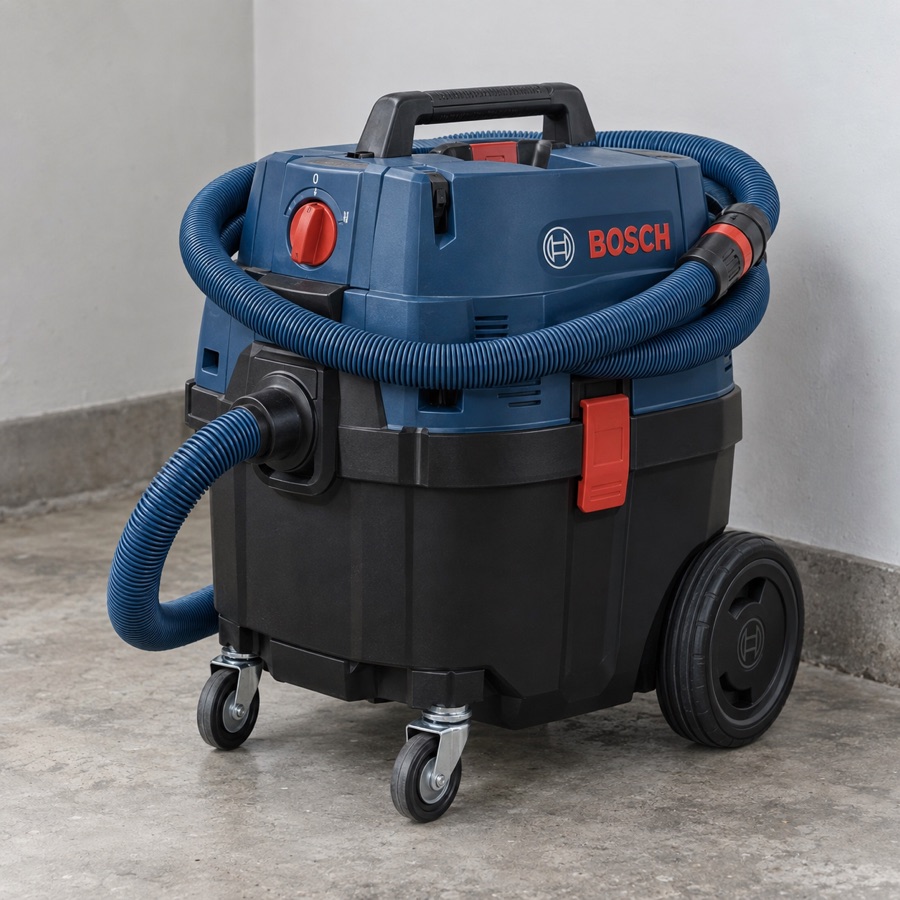
| Bosch VAC090AH HEPA | 72.0 dBA | 126 cfm | 99.95% | $600 |
1. Festool CT 26 HEPA Top pick
| Noise | Measured CFM | Static pressure | Capacity |
|---|---|---|---|
| 69.0dBA | 118cfm | 12.5in. w.c. | 6.9gal |
Very quiet, very high static pressure; HEPA filtration. At a measured 69.0 dBA it leads this list on the number that matters most for this page, and it also carries the highest measured fine dust capture of the four. The measured CFM is the lowest in this set, which is the usual tradeoff with a small, quiet extractor motor. Manufacturer claims 137 CFM against a measured 118 CFM delivered.
Amazon
$800
Price last checked 2026-08-05.
2. Fein Turbo I HEPA Best value
| Noise | Measured CFM | Static pressure | Capacity |
|---|---|---|---|
| 70.0dBA | 130cfm | 10.8in. w.c. | 5.8gal |
Quiet, compact extractor. It comes in second on the noise ranking at a measured 70.0 dBA, just behind the Festool, while costing noticeably less than any other unit on this page. That combination of near-top noise performance and the lowest measured price is what earns it the value spot here. Manufacturer claims 151 CFM against a measured 130 CFM delivered.
Amazon
$500
Price last checked 2026-08-05.
3. Makita VC4210L Largest capacity
| Noise | Measured CFM | Static pressure | Capacity |
|---|---|---|---|
| 71.0dBA | 125cfm | 11.5in. w.c. | 11gal |
Large-capacity extractor class. It sits mid-pack on measured noise at 71.0 dBA, still quiet relative to a full-size dust collector, and it carries the largest measured tank capacity of the four, which means fewer stops to empty it during a long session. Manufacturer claims 148 CFM against a measured 125 CFM delivered.
Amazon
$750
Price last checked 2026-08-05.
4. Bosch VAC090AH HEPA Also worth a look
| Noise | Measured CFM | Static pressure | Capacity |
|---|---|---|---|
| 72.0dBA | 126cfm | 12.0in. w.c. | 9gal |
HEPA, high-pressure tool extraction. At a measured 72.0 dBA it's the loudest of the four, though still well under what a full-size dust collector runs. Its measured static pressure and fine dust capture are competitive with the rest of this set, making it a reasonable pick if noise is a secondary concern behind raw extraction performance. Manufacturer claims 150 CFM against a measured 126 CFM delivered.
Amazon
$600
Price last checked 2026-08-05.
How to choose
Every unit on this page is a dust extractor, not a full-size dust collector, and that distinction is most of why they're quiet enough to make this list at all. A smaller motor moving a smaller total volume of air simply generates less noise than a 1.5 or 2 HP dust collector motor pulling several times the airflow. That's a straightforward tradeoff: less noise for less total CFM, and it's the same tradeoff you'll see reflected in the measured numbers above.
If you're weighing a quiet extractor against a louder full-size collector, think about where the noise actually lands. A few dBA of difference matters more in a shop attached to the house, or one with a shared wall, than it does in a detached garage or barn. It also compounds with how long you're running the machine at a stretch. See my dust collector versus shop vac breakdown for the broader tradeoffs between this extractor class and a dedicated collector, and the CFM calculator to check whether the lower airflow of a quiet extractor is actually enough for the tools you're running.
FAQ
How much quieter is a dust extractor than a full dust collector?
The measured figures above put this extractor class in the high 60s to low 70s dBA range, while a typical 1.5 to 2 HP dust collector generally runs into the low to mid 80s dBA. That's a real, noticeable difference, not a marginal one.
Why are dust extractors quieter than full-size dust collectors?
Mostly because of motor size and total airflow. A dust extractor uses a smaller motor moving a much smaller volume of air, in the range of 100 to 150 measured CFM, versus 500 or more for a typical full-size collector. Less air moved through a smaller motor generally means less noise generated at the source.
Should I trust dBA numbers straight off a spec sheet?
Treat them as a starting point, not gospel. Manufacturers test noise under different conditions and distances, which is exactly why this site publishes every unit's noise reading at a fixed 8 foot distance under the same protocol, so the numbers here are at least comparable to each other.