By Martin Harris.
1 Micron vs 5 Micron Filter Bags
A 1 micron filter bag is made to stop smaller dust than a 5 micron bag, and the smallest dust is the kind that does the most harm to your lungs. The catch is that bag micron ratings have no shared test, so one company's "1 micron" bag may not match another's. A tighter bag also resists airflow more unless it has more fabric area. If your collector blows its exhaust into the room you work in, I would choose the 1 micron bag, in the largest size that fits, or move to a pleated canister.
What a micron is
A micron (also called a micrometer) is 1/25,400 of an inch. That is too small to picture, so here is a comparison from the EPA: the average human hair is about 70 microns across. A 5 micron particle is about 14 times smaller than a hair. A 1 micron particle is about 70 times smaller.
On a dust collector bag, the micron number is meant to tell you the size of dust the bag is designed to stop. On its own, that number leaves out how much of that dust it stops. A bag that catches half of all 1 micron dust and a bag that catches nearly all of it could both call themselves 1 micron bags if no test defines the term.
Which dust sizes hurt your lungs
The EPA sorts airborne particles into two main groups. PM10 is particles 10 microns and smaller, which the EPA calls inhalable. PM2.5 is particles 2.5 microns and smaller. According to the EPA, particles under 10 microns can get deep into your lungs, and some may even reach your bloodstream. The EPA says PM2.5 poses the greatest risk to health.
Wood dust in the 10 to 30 micron range is big enough to see and settles out of the air fairly quickly, according to Bill Pentz's research. The dust under 10 microns stays up longer and is invisible without magnification. So a shop can look clean and still have plenty of fine dust in the air. That fine fraction is exactly what separates a 1 micron bag from a 5 micron bag.
Wood dust is more than a nuisance. The International Agency for Research on Cancer (IARC) classifies wood dust as carcinogenic to humans (Group 1), mainly based on cancers of the nasal cavity and sinuses in workers with heavy exposure. NIOSH recommends keeping total wood dust exposure under 1 mg/m³ over a work shift. I cover the health side in detail in is sawdust dangerous. This page is general information, not medical advice. If you have breathing symptoms, talk to a doctor.
Why micron ratings do not compare between makers
Look at how three companies describe their filters. Grizzly calls the top bag on its G1029Z2P a 2.5 micron bag. Grizzly says the spunbond cartridge on its G0860 cyclone catches 99.9% of particles down to 1 micron. Wynn Environmental lists its NANO cartridge as MERV 15 with 99.9% efficiency at 0.5 micron. Harbor Freight sells its 2 HP collector as a "5 micron" dust collector. Only some of these claims include a percentage, and none of the bag claims name a published test method.
Pentz has watched this for years. He writes that almost all small shop collectors and cyclones came with 10 to 20 micron filters that were advertised as anything from 0.3 to 2 micron. He also points out that vendors often rate filters in a way that does not match how they perform in real use.
There is one more wrinkle. A felt bag catches more fine dust after a thin layer of dust, called a dust cake, builds up on it. Pentz notes that fully seasoned filters filter much better than new ones, and they also pass less air. A brand new bag may leak more fine dust in its first weeks than it will after it is broken in. Hard cleaning strips that cake away, and Pentz says cleaning also wears the fabric and makes it more porous over time.
Compare that to ratings that do come from a defined test:
| Rating | Who defines it | What it tells you |
|---|---|---|
| "1 micron" or "5 micron" bag | Each manufacturer | A target size, often with no stated efficiency or test |
| MERV | ASHRAE Standard 52.2 | Measured capture in size groups of 0.3 to 1, 1 to 3, and 3 to 10 microns; the lowest group sets the final MERV |
| HEPA | Defined efficiency standard | At least 99.97% capture of 0.3 micron particles |
| N95 or P100 respirator | NIOSH, under 42 CFR Part 84 | At least 95% or 99.97% filter efficiency, tested with particles around 0.3 micron |
Sources: ASHRAE Standard 52.2 as summarized by the National Air Filtration Association; NIOSH respirator certification rules in 42 CFR Part 84; manufacturer listings from Grizzly, Wynn Environmental, and Harbor Freight.
The airflow tradeoff
Finer fabric catches smaller dust because the gaps between fibers are smaller. Smaller gaps also make the air work harder to get through. That extra resistance is static pressure, measured in inches of water column, and every bit of it comes out of the suction at your tools. My page on dust collector static pressure explains how filter resistance adds to duct and hose losses.
The fix is fabric area. When the same airflow spreads over more square feet, each square foot sees less air and the resistance drops. That is why oversize 1 micron bags exist. You can estimate a bag's area by multiplying 3.14 by its diameter and its length. A 20 inch by 47 inch bag comes to about 2,950 square inches, or roughly 20 square feet. A longer or wider bag at the same rating gives you more area and usually more airflow.
A loaded bag hurts airflow more than the rating does. A 1 micron bag that you keep reasonably clean will usually move more air than a 5 micron bag caked solid with dust. Shake the bag when suction starts to fall, and empty the lower bag before it fills.
Felt versus woven fabric
Older and cheaper collectors often ship with a woven cloth bag. Woven fabric has a regular pattern of threads with gaps between them. Felt is a mat of fibers pressed together in random directions, which gives fine dust a longer and more winding path. Most bags sold as 1 micron are felt. Some 5 micron bags are felt too. When a listing gives the fabric type, weight, or a MERV number, that is more useful than the micron claim alone. For reference, Pentz recommends bag media rated at least MERV 15.
How to tell if your bag is passing fine dust
Since the micron label will not tell you much, check your own bag. None of these checks needs special gear:
- Look at the outside of the bag. A gray film on the outer fabric, or a dust ring on the floor around the collector, means fine dust is coming through.
- Wipe nearby surfaces. If shelves and tools near the collector collect dust faster than the rest of the shop, the exhaust is a likely source.
- Use a flashlight in a dark shop. Turn the lights off, run the collector, and shine a strong flashlight beam past the bag. Fine dust shows up as sparkles drifting in the beam.
- Watch the seams and clamp. Puffs at the clamp band or stitching point to a leak, which is a different problem than the fabric rating.
- Try an air quality monitor. A consumer PM2.5 monitor near the collector can show whether readings climb while the collector runs with no tools cutting.
Which one to buy
- Collector in the shop, lots of sanding or MDF: a 1 micron felt bag in the largest size that fits, or a pleated canister. Read canister filter vs bag filter before you decide.
- Collector in the shop, mostly sawing and planing: a 1 micron bag is still my choice, since saws and planers make fine dust too. Keep it clean so airflow holds up.
- Collector outside or in a sealed closet: a 5 micron bag can be a reasonable budget choice, because the air it passes does not come straight back to you.
- Low ceiling: check the length of any oversize bag before buying. A short canister may fit where a tall bag cannot.
- Weak collector on long duct: the extra resistance of a finer bag matters more here. Add area, shorten flex hose, and fix the duct first.
Swapping bags the right way
- Turn off and unplug the collector.
- Measure the ring diameter where the bag clamps on, and note the length of the old bag.
- Put on a respirator before you pull the old bag. It will release dust.
- Remove the old bag over a trash bag, ideally outside.
- Slide the new bag fully over the ring, with the clamp band sitting in the ring's groove.
- Tighten the band evenly all the way around. A gap here lets unfiltered air escape and makes the bag rating meaningless.
- Run the collector and look for dust puffs at the clamp and seams. Fix any leak before you go back to work.
Even the best bag cannot catch dust that never makes it into the hood, so a filter upgrade works best alongside good capture at the tool and a respirator for dusty jobs. My guide to respirators for woodworking dust covers that part, and my complete guide to small shop dust collection ties the whole system together. When you are ready to compare specific bags, see my best dust collector bags roundup.
Bags and filters in both ratings
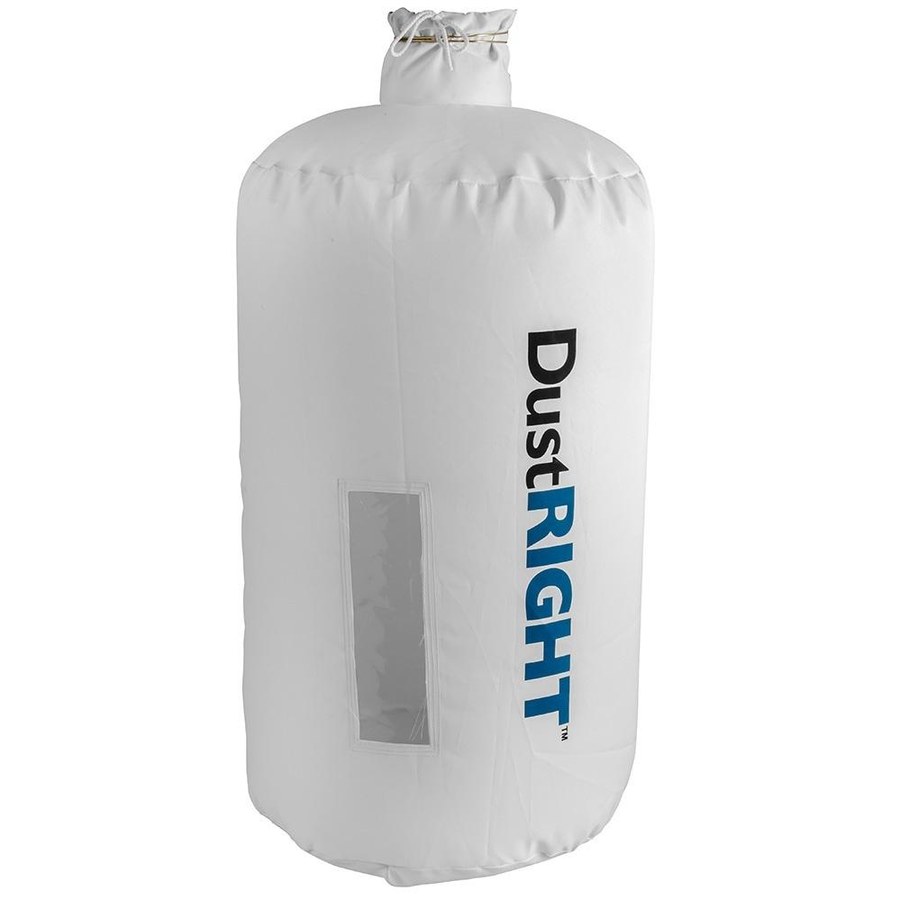 Check price on Amazon
The stock 5 micron class, for reference. This is what most collectors ship with.
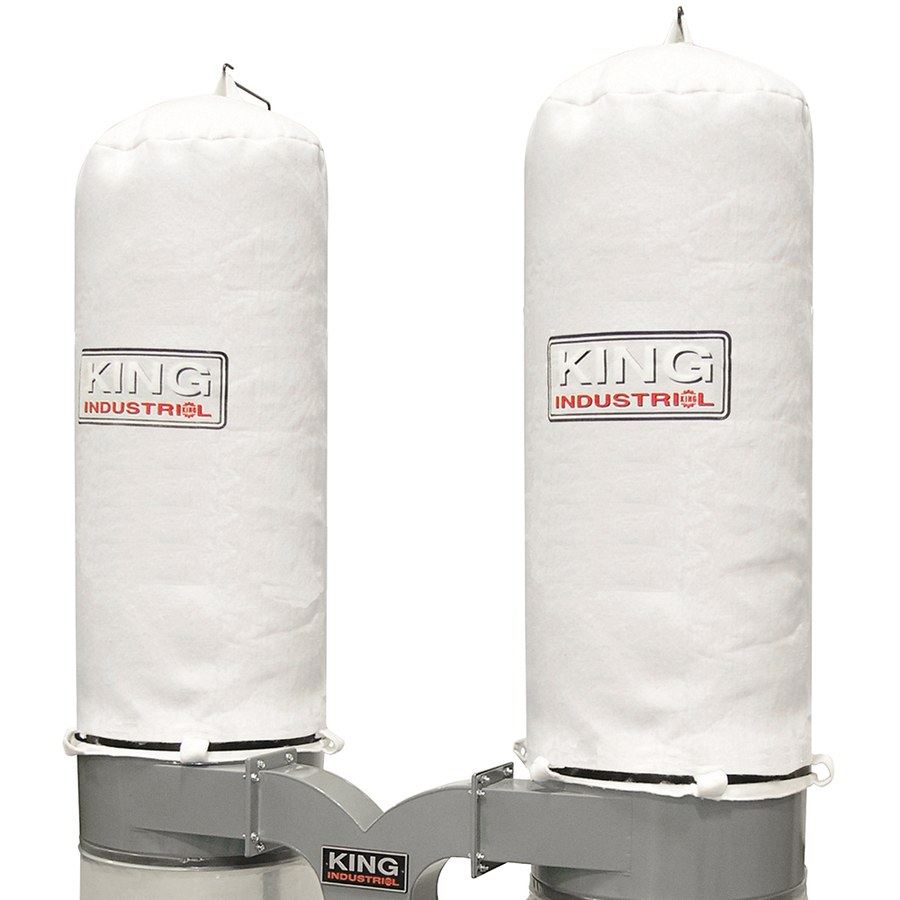 Check price on Amazon
The 1 micron felt bag, the straightforward upgrade if you want to stay with bags.
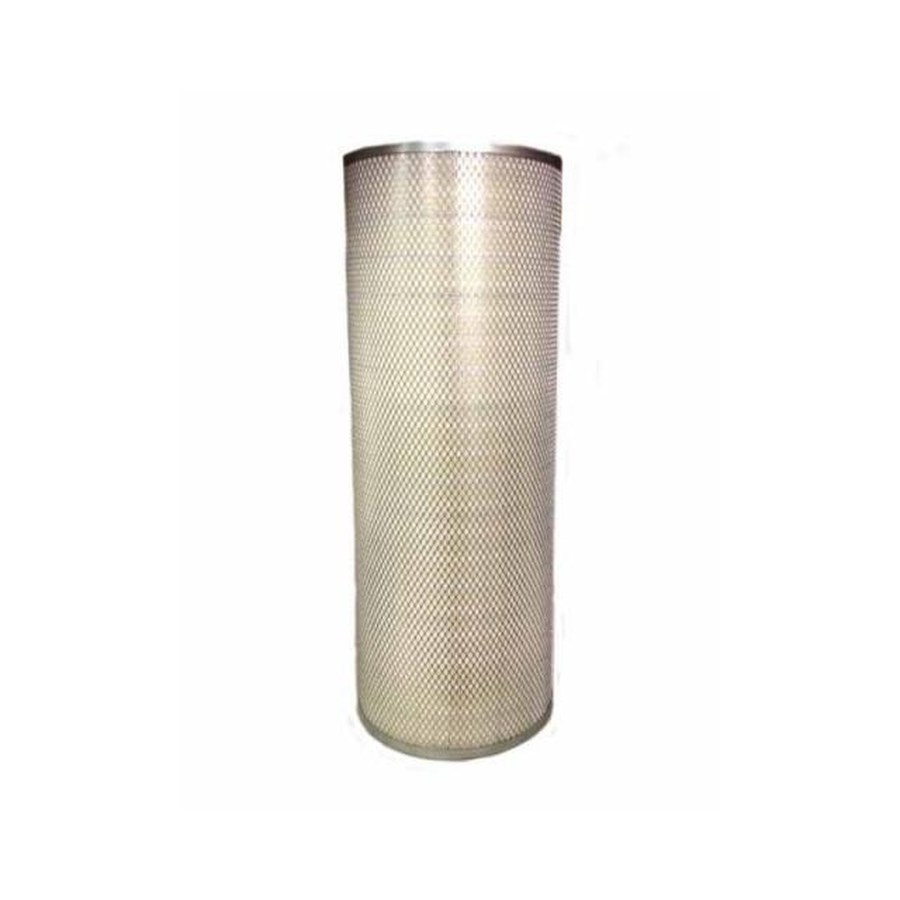 Check price on Amazon
Wynn-style 0.5-micron cartridge$220
The cartridge, if you would rather jump past bags entirely and get the surface area as well as the rating.
FAQ
Is a 1 micron bag worth it over a 5 micron bag?
For a collector that exhausts into your shop, yes in my opinion. The dust between 1 and 5 microns is invisible and small enough to get deep into your lungs, according to the EPA. Buy the largest 1 micron bag that fits to limit the airflow penalty.
Does a 1 micron bag reduce suction?
It can, because finer fabric resists airflow more. More fabric area offsets that. A clean 1 micron bag often moves more air than a caked 5 micron bag, so cleaning habits matter as much as the rating.
Is a 1 micron bag the same as a HEPA filter?
No. HEPA is a defined standard of at least 99.97% capture at 0.3 micron. A "1 micron" bag label usually has no shared test behind it, so it cannot be compared to HEPA.
Why is my new felt bag leaking fine dust?
Check the clamp band first, since a poor seal is the most common leak. A new felt bag can also pass more fine dust until a thin dust cake forms, which Bill Pentz notes makes seasoned filters catch more.